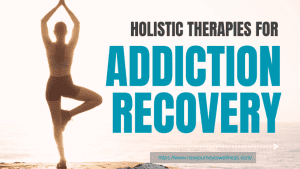
 Addiction recovery is not just about removing a substance from a person’s life; it’s about rebuilding the entire individual—body, mind, and spirit. Holistic recovery practices focus on whole-person healing, helping individuals not only break free from addiction but also regain their sense of self, purpose, and hope. By addressing the complex and interconnected aspects of human wellness, holistic approaches offer a more sustainable and meaningful path to long-term sobriety.
Understanding Whole-Person Healing
Whole-person healing acknowledges that addiction is rarely a simple issue of willpower. It is often rooted in a mix of physical imbalances, emotional pain, mental health challenges, and spiritual disconnection. Holistic recovery works to heal each of these layers, aiming to restore balance and inner peace.
This approach does not replace traditional therapies but complements them, making treatment more comprehensive. When physical health, emotional stability, mental clarity, and spiritual grounding are addressed together, individuals are more likely to experience deep and lasting recovery.
Core Elements of Holistic Recovery
- Physical Wellness
Recovery begins with restoring the body. Holistic programs incorporate proper nutrition, regular exercise, and complementary therapies like massage, acupuncture, and yoga. These practices support detoxification, boost energy levels, and repair the physical damage caused by substance use. - Emotional and Mental Health
Many people with addiction struggle with co-occurring mental health disorders such as anxiety, depression, or trauma. Holistic recovery includes therapy, mindfulness, journaling, and emotional support groups to address these underlying issues. These methods promote emotional intelligence, self-awareness, and coping skills. - Spiritual Exploration
Whether through meditation, prayer, nature walks, or creative expression, holistic recovery encourages individuals to connect with something greater than themselves. This spiritual component offers hope, perspective, and a renewed sense of purpose. - Community and Connection
Holistic healing places a strong emphasis on supportive relationships. Group therapy, peer mentorship, and community involvement reduce isolation and help individuals build a network of encouragement and accountability.
Restoring Hope Through Holistic Practices
Hope is essential in recovery—it motivates change, fuels perseverance, and provides a vision for the future. Holistic practices naturally foster hope by helping individuals experience progress on multiple levels. As people begin to feel stronger, calmer, and more centered, they start to believe in the possibility of a better life.
Healing the whole person also brings a sense of empowerment. Instead of feeling defined by addiction, individuals learn they are capable of growth and transformation. This shift in identity and perspective plays a crucial role in achieving lasting recovery.
Conclusion
Whole-person healing through holistic recovery practices restores not only the body but also the mind and spirit. It helps individuals rediscover hope, resilience, and a renewed sense of purpose. By embracing the full spectrum of wellness, holistic recovery creates a foundation for lifelong sobriety and personal fulfillment. In healing the whole person, we open the door to whole new possibilities for life beyond addiction.